
Family Law
Everything the Texas Family Code touches, start to finish: divorce, conservatorship, support, and the division of what you built. Three attorneys who do this and nothing else.
Divorce · Custody · Property Division
David Lopez presided over the 256th District Court in Dallas County for fifteen years, leaving the bench in 2022 after more than thirty years in the law. Today that same understanding of how a Texas family court thinks works on your side of the bench — for your children, your property, and your future, in Dallas and San Antonio.
No obligation · Confidential · Hablamos Español

01
Family law is the whole of what we do. Four areas, one body of Texas law, and a practice built to handle them together — because in most cases they arrive together.
Everything the Texas Family Code touches, start to finish: divorce, conservatorship, support, and the division of what you built. Three attorneys who do this and nothing else.
Texas calls it conservatorship — sole or joint managing. Courts weigh stability, each parent’s home and who can meet the child’s needs, often with a court-appointed evaluator involved. Support is calculated on top.
Texas aims for an even split of the marital estate, but even is not automatic. Adultery, abuse, or years spent out of the workforce can move the line — and spousal maintenance is rare enough that it has to be argued for.
It begins with a petition, and Texas grants it without assigning blame. What takes time is everything attached to it — the children, the house, the retirement account. Most of our cases sit in the hardest of those categories.
Not sure where your case belongs? Tell us in fifteen minutes and we will.
02
Texas family law changes, and so do the questions that come with it. Longer pieces on the issues we are asked about most, written for the people living through them.
Discover top divorce lawyers in Texas who understand the unique needs of business owners. Get essential tips and insights to…
Read moreDiscover essential legal options for navigating adultery-related divorce in Texas. Get informed to make the best decisions for your future.…
Read moreDiscover key insights on hiring a common law marriage divorce lawyer in Texas. Get the guidance you need for a…
Read moreDiscover essential tips for selecting a gray divorce lawyer in Texas. Make informed choices to navigate this challenging process—read the…
Read more
03
Most divorce attorneys have spent their careers arguing to a judge. David Lopez spent fifteen of his being one — hearing the same arguments, from both sides, thousands of times.
Thirteen years building his own practice, fifteen deciding cases from the bench, and Lopez Lawyers since 2023 — more than thirty years of Texas law, nearly all of it spent on families.
That changes what we can tell you. We know which arguments a Texas family court finds persuasive and which ones only cost you money, and what a judge needs to see before ruling on your children or your property. Clients across the Dallas Fort Worth Metroplex and San Antonio get that read on their case from the first conversation.
When you need counsel on important family decisions, you deserve an attorney who will listen to you, examine the facts thoroughly, and has the experience to tell you what your options genuinely are.
04
Not every divorce belongs in a courtroom. Mediation is a constructive alternative that lets both parties resolve their issues collaboratively, at lower cost and on their own terms. It works across divorce, custody and property division, and Texas courts frequently recommend — or require — it before a case proceeds to trial.

A mediator does not represent either side. The role is to guide the discussion toward an agreement both parties can accept, keeping the conversation open where litigation would close it.
Contested divorces cost what they cost because of the disputes inside them. Resolving those disputes at a mediation table, rather than through a docket, changes the arithmetic.
After fifteen years on the bench, David Lopez is committed to finding an equitable divorce that is fair to both parties, prioritizing resolutions that hold up long after the file is closed.
05
Three family law attorneys, two offices, and a combined half-century inside Texas courtrooms.

Founder · Dallas
Judge of the 256th District Court for fifteen years, and a practicing attorney for thirteen before that. Texas Tech, bachelor’s in Finance and J.D. in 1993. Founded Lopez Lawyers in 2023 after serving as Chief Legal Officer of a Dallas firm.

Attorney · Family Law
Raised in Mexico, Melissa emigrated for college and studied at the University of Texas at El Paso before earning her law degree at Ohio State. She joined Lopez Lawyers in 2023 and has built a reputation as a talented, intelligent and caring advocate.
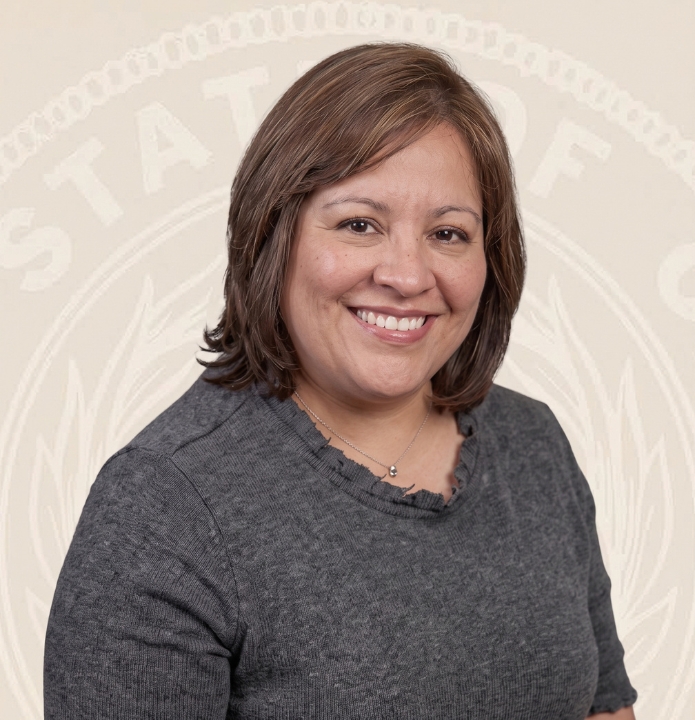
Attorney · Leads San Antonio
Two decades of legal experience, a J.D. from SMU, and years as an Assistant District Attorney in Cameron and Bexar Counties focused on domestic violence and child abuse. She co-authored the VAWA grant that funded Cameron County’s first domestic violence unit.
06
Informed clients make better decisions for themselves and their families. These are the questions we are asked most.
It depends mainly on whether the divorce is contested. An uncontested divorce costs less simply because the process is more straightforward — you may not even see a day inside the courtroom. In contested divorces, cost depends on:
A precise prediction is impossible. The starting point is the filing fee associated with the divorce petition; from there it depends on the circumstances.
You can still file. Some states require a period of separation and others do not, but every state allows no-fault divorce. No-fault simply means the marriage has irretrievably broken down, or that the spouses have irreconcilable differences. Your spouse’s agreement is not a prerequisite.
Because no-fault divorce is available, you generally do not need grounds — except in rare cases such as a covenant marriage. You may still want to file a fault-based divorce if your spouse cheated and wasted marital property during the affair. In that situation a judge can make up for the waste through how assets are distributed to the spouse who did not cheat.
Custody, visitation and child support are determined case by case, always against the “best interests of the child” standard. In general, courts want both parents building strong relationships with their children, and they recognize that both parents are financially responsible for the child. The determination reflects those beliefs.
Alimony — also called spousal support or spousal maintenance — is determined case by case under state guidelines. Most consider both the present earning ability and the future earning opportunities of each spouse. If one spouse depended on the other throughout the marriage, that factor weighs heavily.
Assets and debt are divided according to the state’s approach to property. There are two: community property, where property and debts are divided equally, and equitable distribution, where a 50/50 split is not automatic and what matters is what is fair. Texas follows the community property system.
Spouses in abusive marriages are in the most danger at the moment they seek a divorce. Protect yourself by gathering as much help and support as you can. You can file for a restraining order, and you should consider state and local programs built for survivors of domestic abuse. Build a network of support around you — friends, family, and a family law attorney who takes it seriously.
If you are in immediate danger, call 911. The National Domestic Violence Hotline is available 24/7 at 1-800-799-7233.
Every divorce begins by filing a petition to dissolve the marriage with the court clerk. Which court depends on the county. Once the petition is filed, the other spouse has a set number of days to answer, unless the divorce is mutual. The most efficient way to start is to have a divorce attorney handle it, so the petition is properly filed and timely answered.
Want an answer for your specific situation? Schedule your free 15-minute consultation or call 469-399-0469.
07
We are proud to serve clients across Texas. Whether you visit us in Dallas or San Antonio, the commitment is the same: clear guidance, responsive service, trusted advocacy.

8204 Elmbrook Drive, Suite 242
Dallas, TX 75247
HoursMonday–Friday · 9:00 AM to 6:00 PM
469-399-0469 Now open
Free consultation
Fifteen minutes, no cost, no obligation. Tell us what you are facing and we will tell you plainly where you stand and what your options are.
Call us directly 469-399-0469Contact our firm
"*" indicates required fields
Submitting this form does not create an attorney-client relationship. Please do not send confidential information until such a relationship has been established.